October 09, 2026 - 249 views
Sewage was discharged into rivers, lakes and the sea around Wales for more than 800,000 hours last year, according to new figures analysed by environmental charity Surfers Against Sewage.
The charity said there were more than 100,000 sewage discharges during 2025, equivalent to one every five minutes.
Although the total duration was lower than the more than 970,000 hours recorded the previous year, campaigners warned that the figures continued to highlight concerns about water quality, public health and the impact on the natural environment.
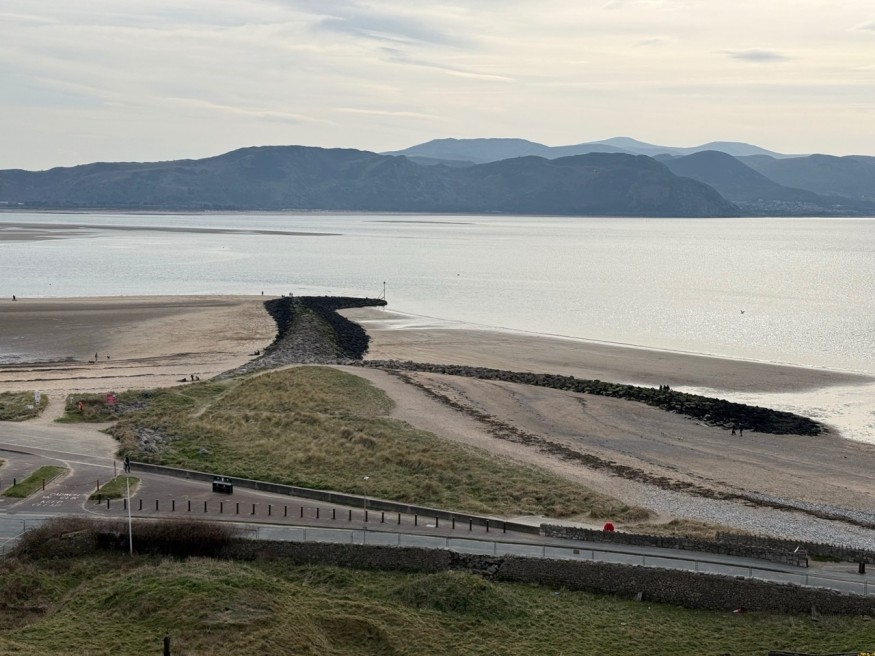
The report has prompted renewed concern along the North Wales coast, where Llandudno's West Shore was affected by 184 sewage discharges during 2025, according to Surfers Against Sewage.
Janet Finch-Saunders, Member of the Welsh Parliament for Bangor, Conwy and Môn, has called for water companies to be held accountable and urged them to take action to prevent further pollution.
She said the 13 pollution alerts issued for West Shore beach over a five-week period were “just the tip of the iceberg”, adding that repeated incidents could not be allowed to continue.
The latest report also noted that Welsh Water recorded 1,492 sewage spills into bathing waters during the first half of 2026, according to figures cited by Ms Finch-Saunders.
She also highlighted the charity's records of 992 sickness reports linked to sewage in Wales since 2019, including 187 made between the start of 2026 and August.
“These continuous incidents of pollution cannot be allowed to continue,” she said.
“Our constituency is home to many wonderful beaches that attract both locals and visitors, all looking forward to enjoying our coastline and bathing safely in our waters.”
Across Wales, Surfers Against Sewage recorded 215 reports of sewage-related sickness during 2025, contributing to its total of 992 reports since 2019. The charity said the reported illnesses had resulted in more than 2,200 days off work.
Designated bathing waters across Wales experienced a combined 35,669 hours of sewage discharges during 2025.
The figures also highlighted concerns at Llyn Padarn in Gwynedd, where sewage discharges lasted for 1,614 hours despite the lake's designated bathing water receiving an “excellent” classification for water quality.
The figures underline the distinction between bathing water classifications, which are based on water-quality testing, and the separate monitoring of sewage discharges.
Natural Resources Wales said it had strengthened its regulatory approach through increased monitoring and tighter guidance, alongside overseeing significant environmental investment programmes by water companies.
Welsh Water said it understood public concerns about sewage discharges and would invest a record £2.5 billion over the next four years.
The company said: “We take our responsibility to protect these waters seriously and recognise that we need to improve.”
It added that, in line with Welsh Government policy, it was prioritising overflows considered to be causing the greatest environmental harm.
Although controlled sewage discharges are permitted in certain circumstances, including periods of heavy rainfall, environmental campaigners continue to raise concerns about the frequency of releases and the potential consequences for wildlife and people using rivers, lakes and coastal waters for recreation.