September 30, 2026 - 232 views
St David’s College in Llandudno contributes around £7 million to the local economy every year and supports more than 200 jobs, according to a new independent assessment.
The co-educational independent school, which has around 260 pupils including 70 boarders, contributes an estimated £11.6 million to the UK economy each year. Around 60 per cent of that economic impact is generated within the local area.
The study found the school directly employs 138 people, with a further 75 jobs supported through local suppliers, contractors and spending by pupils, families and visitors.
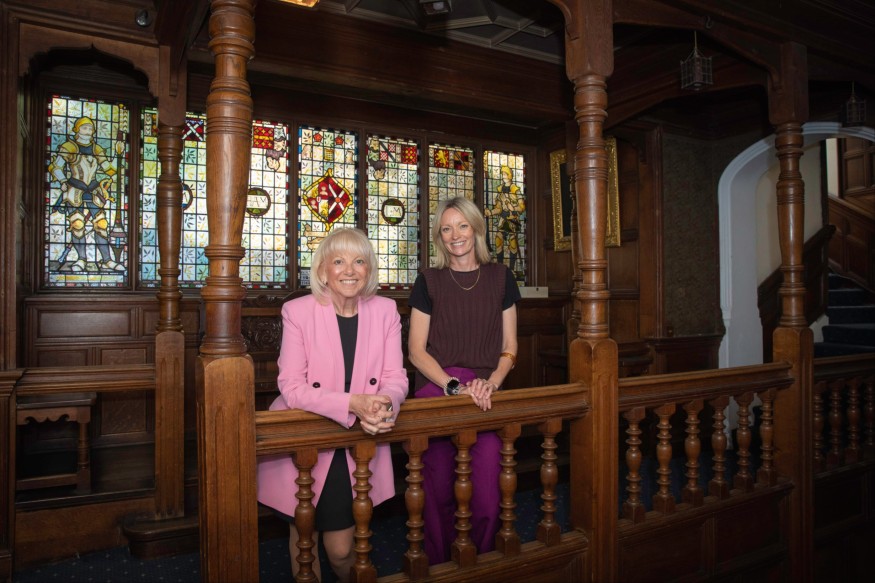
The school is based on the historic Gloddaeth Hall estate, a Grade I-listed site covering around 30 acres overlooking the Conwy Valley. The oldest part of the estate, Minstrel Hall, dates back to the Tudor period.
Conwy County Borough Council’s Cabinet Member for Sustainable Economy and Communications, Councillor Sharon Doleman, recently visited the school and welcomed the findings.
She said the school was a significant local employer and praised its long-term financial planning, particularly following the closure of two other independent schools in North Wales this year.
“St David’s College is a major employer. If it was a factory we’d be shouting about it from the rooftops,” she said.
“Their commitment to our local economy in Conwy is appreciated and deserves to be celebrated as loudly as would any other business that supports this number of jobs in our county.”
The school spends around £1.5 million a year with local suppliers and contractors, according to its Bursar, Nicola McDonald.
She said the school’s international and weekly boarders also bring visitors to the area, with families and others using local hotels, shops and other businesses.
Ms McDonald said the school had continued to invest in its facilities and had been able to deal with rising costs, including changes to VAT and the cost of living, because of its long-term financial planning.
“Our finances are very robust with strong reserves and we have a long-term strategy, so we’ve managed to confidently deal with the rollercoaster of VAT and cost of living increases,” she said.
“We’re in a good position so we can continue to invest in our future, with the pupils at the forefront of everything we do.”
The school’s contribution to the local economy is also linked to families and staff moving to the area.
Ms McDonald and her husband moved from the Wirral to North Wales nearly four years ago so their children could attend the school.
She said the school’s smaller classes and additional support had been important to their family.
“We have small year groups and small class sizes – we often don’t go above 12 in a class, which means the pupils get lots of individual attention,” she said.
The school also has a dedicated outdoor education programme, with pupils taking part in activities including sailing, kayaking, caving, rock climbing and orienteering.
Ms McDonald said the school employed a wide range of staff, including teachers, nurses, catering and cleaning teams, as well as electricians, plumbers and joiners.
She added that the economic impact extended beyond the school's own workforce through its use of local businesses.
“Wherever possible we use local suppliers and the majority of the time they’re the ones who deliver value for money, so we’re also supporting local businesses,” she said.
Cllr Doleman said her visit had highlighted how the school had become a community in its own right.
“It’s just been such an education to see that it’s a community in its own right. It’s got a lovely feeling to it and the history of the building is just fabulous,” she said.
“I was pleased to hear that the school is financially stable through good management and sticking to their long-term plan.
“By keeping investment within the local economy, the school makes an important contribution to supporting businesses, sustaining employment and strengthening our community.”