June 29, 2026 - 721 views
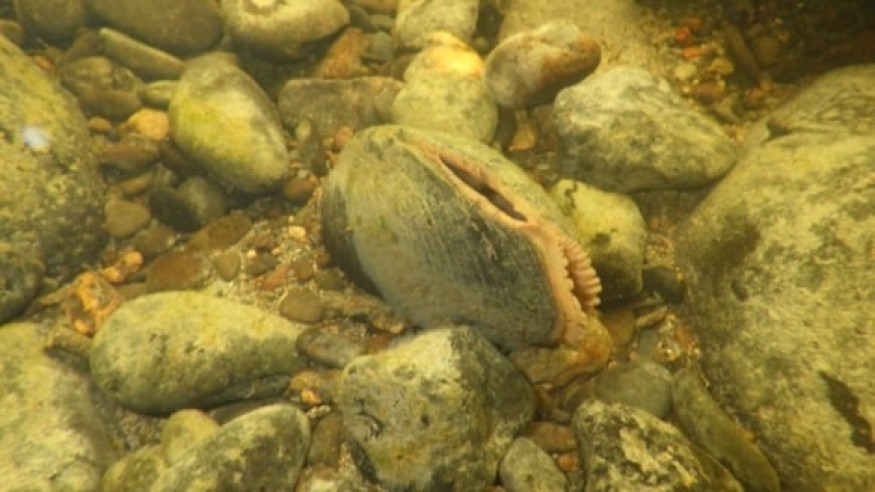
Around 100 juvenile freshwater pearl mussels have been released into a restored tributary of the River Dee in a major step towards preventing one of Wales’ most endangered species from disappearing.
The release, which took place on June 22, marks an important milestone for the LIFE Dee River project, an ambitious conservation programme restoring habitats across the River Dee catchment to help wildlife recover.
Freshwater pearl mussels are now considered functionally extinct in many Welsh rivers after decades of habitat loss, declining water quality and barriers that have disrupted their complex life cycle. Although the species can live for more than a century, young mussels have become increasingly rare in the wild, placing their long-term survival at risk.
The juvenile mussels were bred and reared by Natural Resources Wales specialists at the Cynrig conservation hatchery before being transferred to a carefully selected site within the Dee catchment. To protect the vulnerable population, the exact release location has not been disclosed.
Their return to the river follows extensive restoration work carried out through the LIFE Dee River project to recreate the clean gravel beds, stable river channels and improved water quality that freshwater pearl mussels need to survive and reproduce.
The River Dee is one of Wales’ most important freshwater environments and is designated as a Special Area of Conservation because of its internationally significant wildlife. Alongside freshwater pearl mussels, the river supports Atlantic salmon, lamprey and otters.
Since the project began, a wide range of restoration work has been completed across the catchment. More than 20,000 trees have been planted along riverbanks, 840 metres of natural bank stabilisation has been carried out and 8,430 tonnes of gravel, boulders and woody material have been introduced to improve river habitats. The project has also installed 46.5 kilometres of riverside fencing, upgraded 14 forestry drain culverts, removed or adapted 13 barriers to improve fish migration and constructed a new forestry river crossing.
Together, the work is helping restore natural river processes, improve water quality and create healthier habitats for a range of wildlife.
Gethin Morris, Senior River Restoration Officer for the LIFE Dee River Project, said freshwater pearl mussels play a vital role in maintaining healthy rivers.
“Freshwater pearl mussels play an important role in river ecosystems. As filter feeders, they help improve water quality by removing fine particles from the water column and are considered indicators of healthy river environments.
“This release forms part of a long-term programme to restore self-sustaining populations within the Dee catchment. The mussels will now be monitored regularly to assess their survival and development in natural conditions.”
Carol Humphreys, of Llanfihangel Glyn Myfyr Community Council, welcomed the release and the area’s involvement in the conservation project.
“Llanfihangel Glyn Myfyr Community Council is pleased to support this project. It speaks volumes that the area is suitable to be used to place these special mussels here in the Alwen River,” she said.
The LIFE Dee River project is led by Natural Resources Wales and is funded by the EU LIFE Programme, Welsh Government, the Environment Agency, Eryri National Park Authority, Dŵr Cymru Welsh Water and the River Restoration Centre. Conservationists hope the latest release will help establish a self-sustaining population of freshwater pearl mussels and secure the future of one of Wales’ rarest and most remarkable river species.