September 30, 2026 - 193 views
A rare species of moth has been recorded on the Llŷn Peninsula for the first time, providing another indication of the importance of one of the area’s specialist wetland habitats.
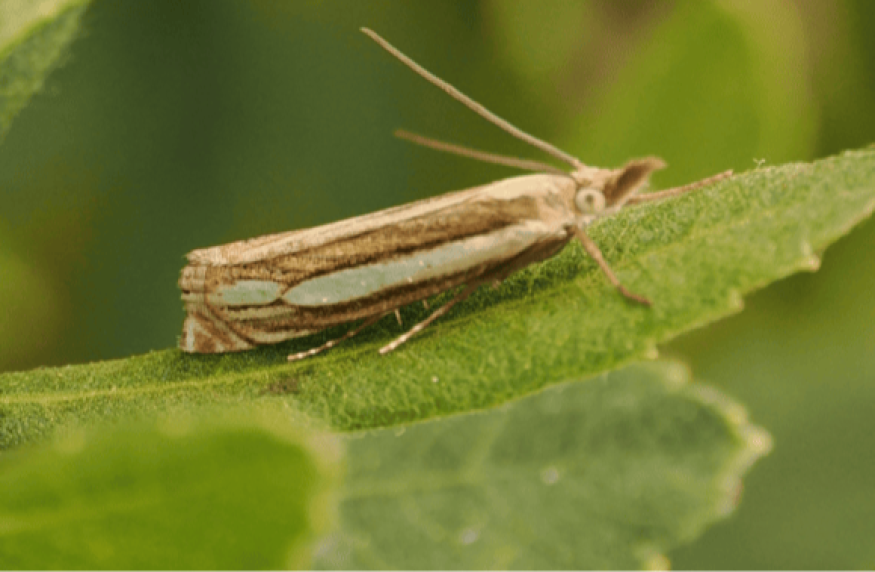
The Bog Grass Moth, known by its scientific name Crambus silvella, was discovered at Cors Geirch National Nature Reserve in Gwynedd during a survey of the fen's invertebrate species.
The discovery was made as conservationists, volunteers and wildlife enthusiasts carried out overnight moth trapping as part of the Natur am Byth programme, a major species conservation initiative being delivered in partnership with the RSPB.
Three moth traps were set up at the nature reserve and attracted 446 moths representing 91 different species. Among them were 19 Bog Grass Moths – the first confirmed records of the species in the area.
The discovery is particularly significant because the Bog Grass Moth depends on the specialist conditions found at the fen. Its caterpillars feed on wet sedges, which thrive in the site's alkaline, calcium-rich water.
Cors Geirch is also home to other rare invertebrates, including the Six-spotted Cranefly and Black Night-runner Ground Beetle, which rely on the unusual conditions created by the fen.
Local moth experts Steve Palin and Charles Aron, who identified the Bog Grass Moths, said the discovery highlighted how much there is still to learn about the area's wildlife.
They said finding such a scarce species was a particularly welcome surprise and demonstrated the value of targeted moth recording in specialist fen habitats.
The survey forms part of the Natur am Byth Llŷn and Ynys Môn project, which is working to protect some of North Wales' most threatened species and their habitats.
Conservation work at Cors Geirch includes opening up delicate, wet and calcium-rich areas of the fen to help maintain the conditions needed by rare plants and invertebrates.
Clare Sampson, Natur am Byth Project Manager for RSPB Cymru, said the discovery was especially encouraging following a hot and dry summer, when many fen habitats had been under pressure.
She said the project had still recorded healthy numbers of the Black Night-runner and Six-spotted Cranefly, alongside the discovery of the rare moth.
The work also highlights the wider challenges facing peatland habitats. At least 80 per cent of UK peatlands have been lost or damaged, putting species that depend on very specific conditions under increasing pressure.
Conservationists say careful management of remaining fens and peatlands can help protect these specialist habitats and give rare species the opportunity to survive.
The Natur am Byth programme also offers opportunities for people to get involved in wildlife monitoring and conservation across Wales.