June 20, 2026 - 839 views
Rare and internationally important aquatic plants are thriving in a North Wales river, with a new study describing the Afon Gwyrfai as one of the finest examples of its kind anywhere in the UK.
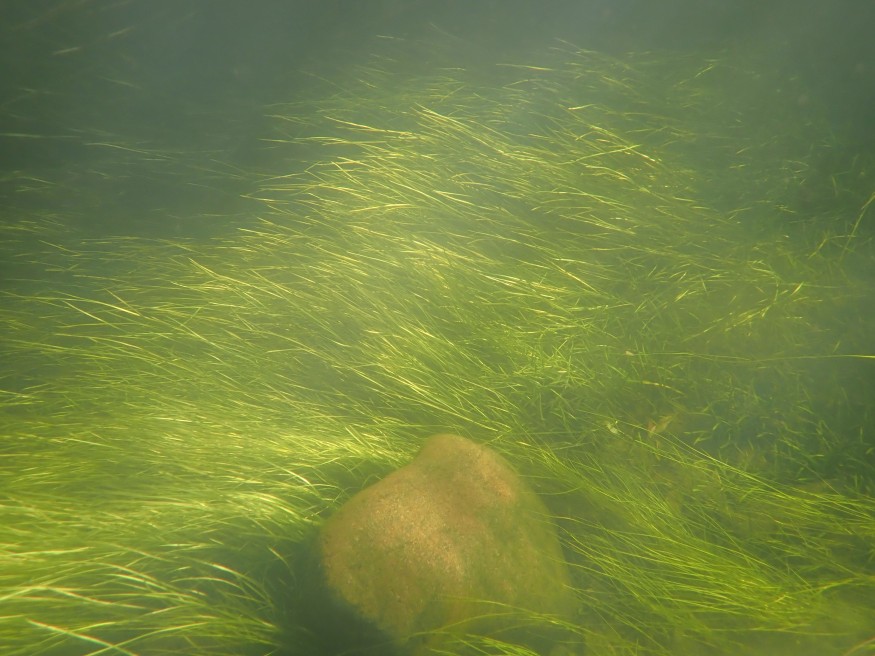
Natural Resources Wales (NRW) has found that all five locations surveyed along the Afon Gwyrfai near Caernarfon support healthy and diverse underwater plant communities, with extensive beds of aquatic vegetation helping to maintain the river’s rich biodiversity.
The findings come from a detailed assessment of the Afon Gwyrfai and Llyn Cwellyn Special Area of Conservation (SAC), a protected site recognised for its internationally important habitats and wildlife.
Among the most significant discoveries was the continued success of floating water-plantain, a rare protected species found at every survey site. The plant was recorded producing seed at one location – an uncommon event in Britain and regarded by experts as a strong sign of a healthy, self-sustaining population.
Some of the seeds have now been collected for the Millennium Seed Bank at Kew Gardens, helping to preserve the species for future generations and providing an important safeguard against environmental change.
The survey focused on aquatic plant communities typical of clean, nutrient-poor rivers, including water crowfoots, water-starworts and milfoils. The river also supports a variety of mosses and other aquatic plants that play a vital role in maintaining the health of the ecosystem.
These underwater plants provide shelter and breeding habitat for fish, insects and other wildlife, while also improving water quality by absorbing nutrients, trapping sediment and helping to stabilise the riverbed.
Francesca Sanchez, report co-author and NRW Specialist Advisor for Freshwater Habitat and Species, said: “This is a strong result. The findings show that the Afon Gwyrfai remains one of the best examples in the UK for this kind of plant community.
“They play a vital role in supporting the river’s health by providing essential habitat for fish, invertebrates and other wildlife, which helps to sustain biodiversity.
“They also contribute to improving water quality by absorbing nutrients, trapping sediments and stabilising riverbeds.”
Although the overall findings were highly positive, one survey location showed early signs of environmental pressure. Higher levels of filamentous algae were recorded, which may indicate increased nutrient levels in the water.
While the site continues to meet its conservation targets, NRW has identified it as being at risk and plans further investigations. The organisation says a dedicated project is already underway to help maintain and improve water quality throughout the Gwyrfai catchment.
The report will form part of a wider condition assessment of the Afon Gwyrfai and Llyn Cwellyn Special Area of Conservation. These assessments are used to monitor the health of some of Wales’ most valuable habitats and to guide future conservation work aimed at protecting wildlife and improving river ecosystems for years to come.