November 07, 2026 - 215 views
Concerns have been raised about access to mental health services across North Wales, with a Senedd Member calling for an urgent review of provision amid reports of delays in people receiving the support and treatment they need.
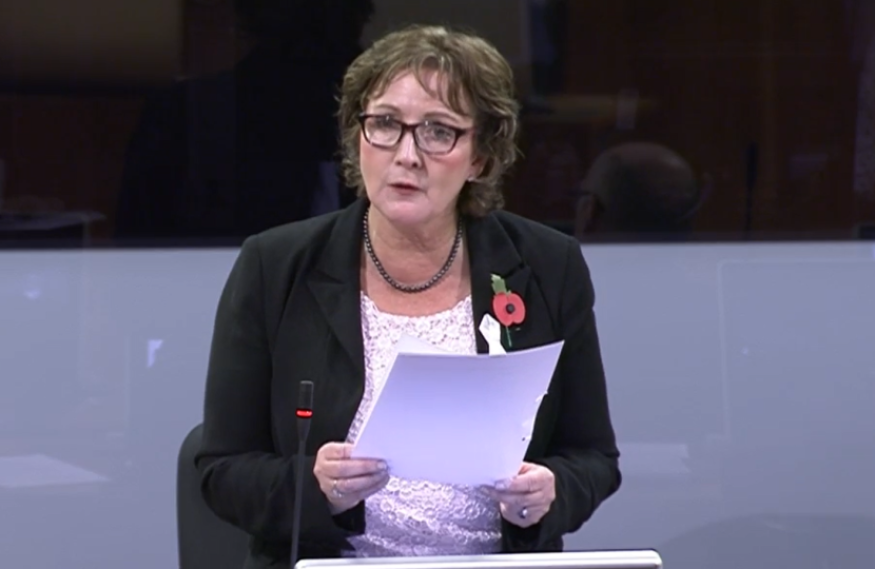
Janet Finch-Saunders, Member of the Senedd for Bangor Conwy Môn, says she is increasingly hearing from constituents who are struggling to access mental health services, including people experiencing suicidal thoughts.
She has highlighted figures showing that 72.7% of adults in the Betsi Cadwaladr University Health Board area received a mental health assessment within 28 days, below the Welsh Government's target of 80%.
For children and young people, the figures have also raised concerns, with just 36% receiving a therapeutic intervention within 28 days of their initial assessment during the 2024/25 financial year.
The figures reflect two different stages of the mental health pathway, and highlight a distinction between being assessed and actually receiving treatment.
However, more recent information from the health board suggests that some progress has been made.
A Welsh Government report covering March 2025 recorded adult assessments within 28 days at 72.7%, but by July 2026 Betsi Cadwaladr reported that both its main adult assessment and treatment measures had moved above the national 80% target.
There has also been improvement in services for children and young people. The proportion of CAMHS patients receiving an assessment within 28 days increased from 57.8% in February 2023 to 90% in December 2025. The proportion starting a therapeutic intervention within 28 days also improved, reaching 70% in December 2025, although it remained below the 80% target at that point.
The health board subsequently reported that children's mental health services were meeting the national targets for both assessment and therapeutic interventions by July 2026.
Despite these improvements, access to other forms of mental health treatment remains a significant challenge.
Betsi Cadwaladr reported that only around 55% of patients started psychological therapy within 26 weeks in July 2026, against a Welsh Government target of 80%.
There are also continuing difficulties with access to neurodevelopmental assessments for conditions including ADHD and autism. The health board reported that only around 17% of patients were receiving an assessment within 26 weeks in July.
These services are distinct from general mental health assessments, but the figures provide a wider picture of the pressures facing people seeking support across North Wales.
The Welsh Government has introduced a ten-year Mental Health and Wellbeing Strategy, placing greater emphasis on early intervention, prevention and making support available before problems escalate. Its approach includes developing more accessible community-based services alongside traditional NHS provision.
For people experiencing a mental health crisis, NHS 111 Wales also provides access to urgent mental health support through its press 2 service.
However, Janet Finch-Saunders believes more needs to be done to ensure that improvements in headline waiting time figures translate into meaningful support for people experiencing mental health difficulties.
She said: “These figures alone are deeply concerning. However, I am also seeing an increase in constituents contacting me for support and advice because of delays in accessing mental health support and treatment. This is even more troubling when people are expressing suicidal thoughts.
“People often reach out to us as elected Members as a last resort. This means that constituents are approaching me because they need assistance but don't know where to turn.
“We cannot allow this pattern to continue. It is essential that a review of mental health provision and its effectiveness takes place across the Health Board area, and that immediate action is taken to ensure residents have access to timely and appropriate mental health support.”
Her call comes as the health board continues to work through significant challenges across its services, with the latest figures showing that while access to initial mental health assessments has improved, timely access to longer-term psychological treatment remains an area requiring further attention.