August 11, 2026 - 580 views
A pilot project bringing farmers and vets together to tackle bovine tuberculosis in North Wales is being extended after showing promising results.
The work is one of two projects in Wales – alongside a scheme in Pembrokeshire – which are testing a more tailored approach to tackling bovine TB at individual farm and herd level.
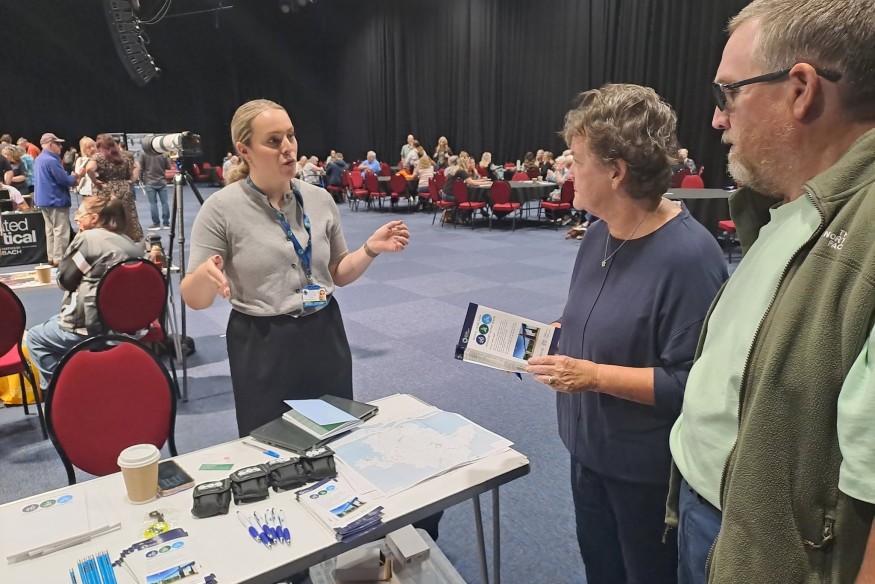
The announcement was made by Cabinet Minister for Rural Resilience and Sustainability Llyr Gruffydd during a visit to the Anglesey Agricultural Show, where he met some of those involved in the North Wales project.
A total of 28 farms and 12 veterinary practices are taking part across the two projects, with support from Aberystwyth University.
Rather than relying solely on standard measures, farmers and vets are working together to identify the particular risks facing individual herds and then put measures in place to reduce those risks.
That has included changes to herd management and husbandry, improvements to farm biosecurity and greater consideration of the risks associated with buying cattle.
Some farmers have also voluntarily removed high-risk animals as a preventative measure.
The approach is particularly relevant to North Wales, which has experienced significant problems with bovine TB over many years.
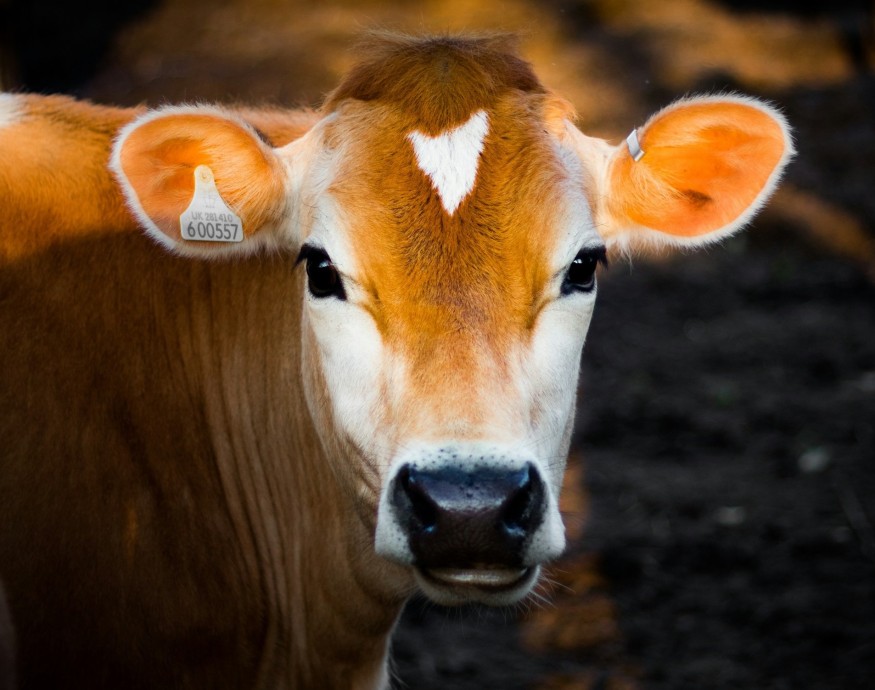
Bovine TB is a disease caused by the bacterium Mycobacterium bovis. It primarily affects cattle but can also infect other livestock and wildlife, including badgers and deer. It is a notifiable disease and can have a major financial and emotional impact on farming families.
Wales has had a dedicated bovine TB eradication programme since 2008, with the long-term aim of eliminating the disease. There has been significant progress: between 2009 and December 2022, the number of new TB incidents in Welsh herds fell by 49%, while prevalence fell by 32%. At the end of 2022, 94.7% of Welsh herds were officially TB-free.
However, the picture has not been uniform across Wales.
The Welsh Government's current eradication plan specifically identifies parts of North Wales as areas requiring additional attention. It highlights previous increases in disease incidence in rural Wrexham and more recent hotspot clusters in Denbighshire, the Conwy Valley and Pennal.
Anglesey has also been subject to additional measures. In 2023, the Welsh Government announced further controls on the island, including pre-movement testing, as part of efforts to tackle the disease.
Across Wales, cattle are subject to routine annual bovine TB testing, while additional pre- and post-movement testing requirements apply in certain circumstances. The Welsh Government also uses a regional approach, classifying areas as low, intermediate or high TB risk.
The North Wales pilot is designed to give farmers and their vets greater ownership of tackling the risks on individual holdings.
Farmers involved are sharing experiences and using information and data to decide what action is appropriate for their own herds.
The Welsh Government says the approach has already attracted interest outside Wales, including recognition in the Godfray Review and Northern Ireland's bovine TB strategy.
Llyr Gruffydd said bovine TB continued to cast a long shadow over farming families.
“TB is a dark shadow over the family farm, not only the financial aspects though of course that’s important, but the strain and anxiety the disease causes,” he said.
“These projects show the power of farmers, vets, researchers, APHA and Welsh Government working together. Together, we can break this vicious cycle.”
Chief Veterinary Officer for Wales, Dr Richard Irvine, said the projects demonstrated the importance of collaboration.
“The success of the projects in North Wales and Pembrokeshire show us that collaboration is key, and I commend all involved for their work to date,” he said.
He said the projects were showing farmers and vets working together to develop herd-level and local actions to reduce the risk of TB and prevent infection entering herds.
“Through partnership and using a range of tools, information and approaches, positive action can be taken to combat TB,” he added.
The Welsh Government says findings from the extended projects will help inform the next stage of Wales's bovine TB eradication programme.
The current programme aims to achieve a TB-free Wales by 2041, although the Welsh Government has acknowledged that eradication is a long-term and challenging process.
For farmers in North Wales, the hope is that a more targeted, farm-by-farm approach can help reduce the number of herds affected while protecting businesses from the disruption and financial and emotional strain that a TB breakdown can bring.