July 14, 2026 - 712 views
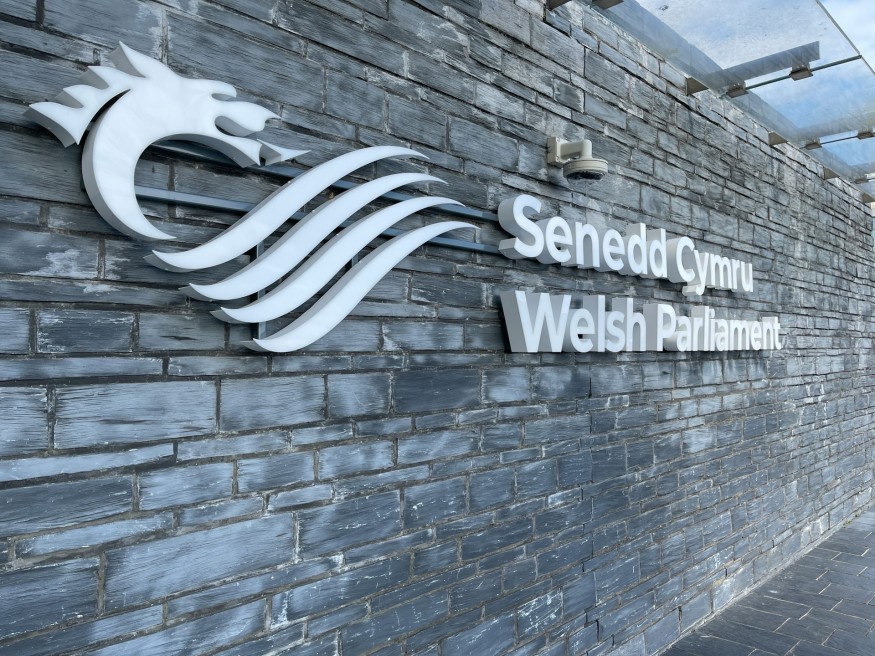
The Welsh Government has suffered an early setback after the Senedd voted against its First Supplementary Budget for 2026-27, rejecting proposals to allocate an additional £433 million to public services.
Finance Secretary Elin Jones described the result as "deeply disappointing", saying the package would have provided extra investment for the NHS, education, housing, childcare and public transport without reducing existing services.
Among the measures included in the supplementary budget were £145 million to help reduce NHS waiting lists, £55 million to accelerate the rollout of funded childcare, £15 million to extend free school meals, £20 million for social housing, £40 million for school maintenance and £8 million to continue the £1 bus fare pilot for young people.
In a statement following the vote, the Finance Secretary said the Welsh Government believed the proposals were "affordable, responsible and deliverable".
She said the defeat would have practical consequences, including delaying plans to introduce an additional funding package for Additional Learning Needs (ALN) during the current financial year.
However, she stressed that public services would continue to operate as normal because the Welsh Government's main 2026-27 Budget, approved by the Senedd earlier this year, remains in force.
"The work of the government goes on," she said, adding that ministers remained committed to reducing NHS waiting times, increasing the supply of social housing and supporting children and families.
A supplementary budget is not a completely new budget. Instead, it allows governments to adjust spending plans during the financial year, reflecting changes such as additional funding from the UK Government, revised forecasts or emerging spending priorities.
While the Welsh Government argued the additional funding should be released quickly, opposition parties said they could not support the package without greater scrutiny and stronger assurances over how the money would be spent.
The Conservatives have repeatedly argued that despite significant increases in health funding in recent years, Wales continues to have the longest NHS waiting lists in Great Britain. They have called for wider reforms to improve productivity and ensure taxpayers receive better value for money.
Plaid Cymru, while broadly supportive of greater investment in public services, has previously argued that simply allocating more money is not enough without longer-term structural reform. The party has consistently called for greater investment in housing, health and local government, while also pressing for changes to Wales' funding settlement and increased fiscal powers.
The Welsh Liberal Democrats have also said additional investment should be accompanied by greater transparency and accountability to demonstrate how spending will improve outcomes for patients, schools and communities.
The vote comes at a time when public finances remain under significant pressure.
Like governments across the UK, the Welsh Government continues to face rising costs driven by inflation, increasing demand for health and social care services and pressures on local government budgets.
Although the Welsh Government receives most of its funding through the block grant from the UK Treasury, ministers have argued that rising demand means difficult decisions continue despite recent increases in funding.
The Welsh Government has confirmed it will now assess the implications of the Senedd vote before bringing forward another supplementary budget later in the financial year.
In the meantime, ministers say they will continue delivering services using the spending plans already approved by the Senedd, while considering how to manage the loss of the additional funding package.
The outcome highlights the challenge facing the minority Welsh Government, which must secure support from opposition parties to pass significant financial measures through the Senedd. With no single party holding a majority, major spending decisions often depend on cross-party agreement, making budget negotiations a key part of Welsh politics.