September 28, 2026 - 465 views
A tree once used as a substitute for tea during the Second World War is being given a new lease of life in Denbighshire.
Staff and volunteers at Denbighshire County Council’s Tree Nursery at Green Gates Nature Reserve are working to increase the number of small-leaved lime trees growing in the county.
The species was once common in British woodlands but has declined over the years because of habitat loss and changes to woodland management. Finding a small-leaved lime today can often be an indication that an area was once ancient woodland.
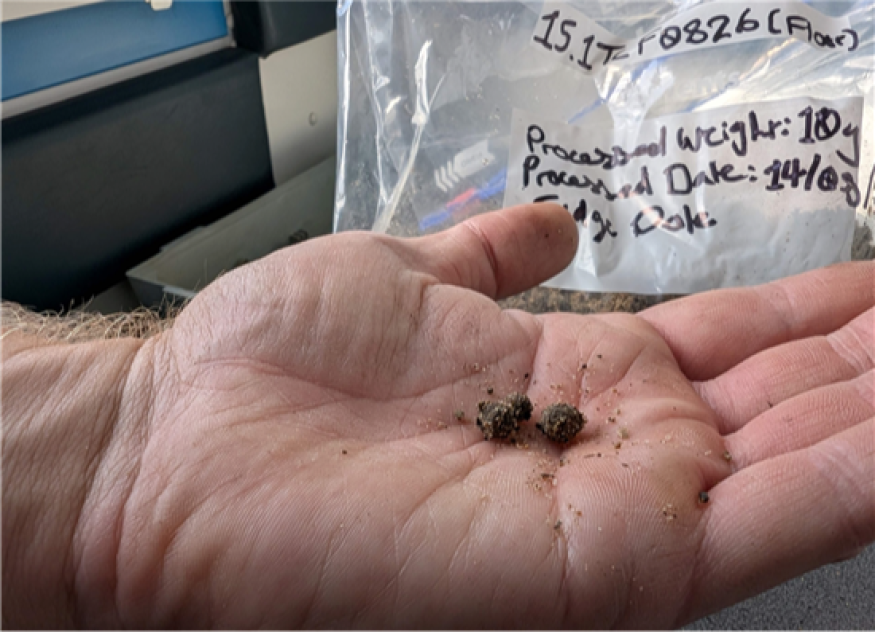
The council has collected seeds from local trees and has secured 110 grams of small-leaved lime seed, which could produce almost 800 young trees at the nursery.
Once established, the trees will eventually be planted out, helping to increase the number of the native species in the local landscape.
The small-leaved lime has an unusual place in social history. During the Second World War, when supplies of traditional black tea were restricted by rationing, its dried leaves and flowers were used to make a tea substitute.
The flowers were also traditionally valued for their medicinal properties and were used as a remedy for ailments including headaches and insomnia.
The trees provide benefits for wildlife too. Their leaves are eaten by the caterpillars of numerous moth species, while the flowers provide nectar and pollen for insects including bees.
Lime trees also attract aphids, which in turn provide food for predators such as hoverflies, ladybirds and birds.
The Denbighshire nursery is also working to increase numbers of other native species, including black poplar, wild service tree and oak, using seeds collected locally.
Councillor James Elson, Denbighshire County Council's Lead Member for Environment and Transport, said the nursery team and volunteers were looking forward to giving the locally collected small-leaved lime seeds the best possible chance to establish.
He said nurturing the trees at the nursery before planting would help improve their survival rates while supporting a native species with benefits for a wide range of wildlife.
The tree nursery is funded by the Welsh Government through the Local Nature Partnerships Cymru project and the Local Places for Nature grant.