August 03, 2026 - 550 views
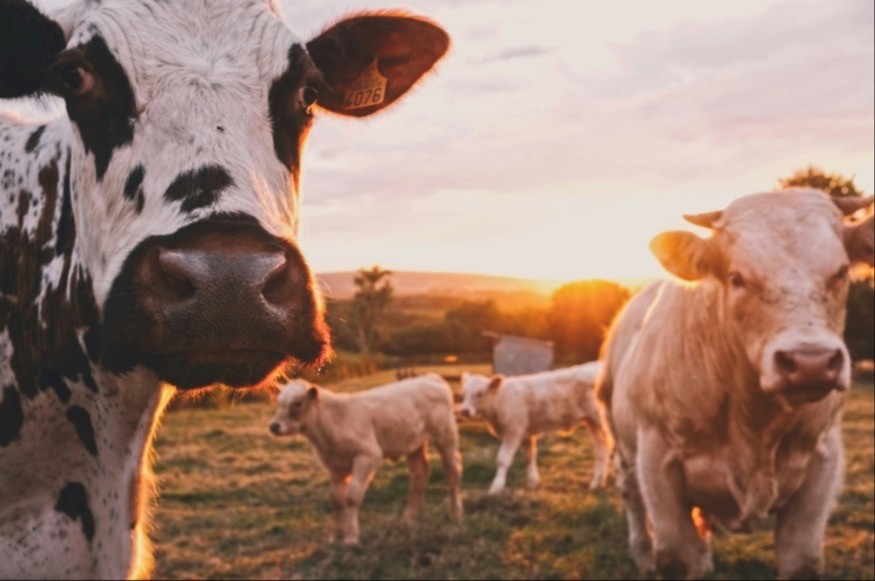
Farmers and livestock keepers across North Wales are being urged to remain vigilant for signs of Bluetongue as cases of the disease continue to rise across Wales and England.
The Welsh Government has issued fresh advice encouraging farmers to closely monitor their cattle and sheep, check the disease status of animals before buying or moving them and consider vaccinating their herds and flocks against the BTV-3 strain of the virus.
The warning is particularly relevant for North Wales, where livestock farming plays a vital role in the rural economy. Sheep and cattle farming are at the heart of many local communities, with thousands of animals regularly bought, sold and moved through livestock markets across the region.
Since the introduction of the all-Wales Bluetongue Restricted Zone in November 2025, livestock have been able to move freely between England and Wales without restrictions. While this has eased trading arrangements, the Welsh Government says it also increases the importance of farmers checking the Bluetongue status of any animals before they arrive on their farms.
Richard Irvine, Wales' Chief Veterinary Officer, said the disease is now entering its most active period.
"We are now in the active transmission period for Bluetongue, and more cases of BTV-3 in both cattle and sheep are emerging in different parts of Wales, as well as in England, particularly the south-west counties.
"Safe sourcing of livestock is crucial. Keepers are advised to consider the Bluetongue status of replacements, so you don't buy more than you bargained for.
"It remains important for livestock keepers to speak with their vet and consider Bluetongue vaccination, as it's the best way to protect herds and flocks from the impacts of disease. Stay vigilant for the signs of Bluetongue and report any suspected cases promptly to the Animal and Plant Health Agency."
Bluetongue is a viral disease that affects ruminants such as sheep, cattle and goats. It is spread by biting midges rather than through direct contact between animals. The disease can cause fever, swelling, mouth ulcers, lameness and, in severe cases, death, particularly in sheep. Although Bluetongue poses no risk to humans and does not affect the safety of meat or milk, outbreaks can have significant consequences for animal health, farm productivity and livestock movements.
The Welsh Government is advising livestock keepers to take three key steps to reduce the risk. Farmers should check the Bluetongue status of any replacement animals before purchasing them, speak to their veterinary surgeon about vaccination and remain alert for any signs of the disease, reporting suspected cases immediately to the Animal and Plant Health Agency (APHA).
For North Wales farmers, where livestock production underpins many family farms and rural businesses, the advice comes at a crucial time as animals continue to move between farms and markets during the summer months. Officials say vigilance, responsible livestock sourcing and vaccination remain the best defence against the spread of the disease.