June 02, 2026 - 864 views
Aspiring filmmakers from North Wales are seeing their work screened in Vue and Odeon cinemas across the UK, in what Clwyd North MP Gill German has described as proof that local talent can thrive when barriers to opportunity are removed.
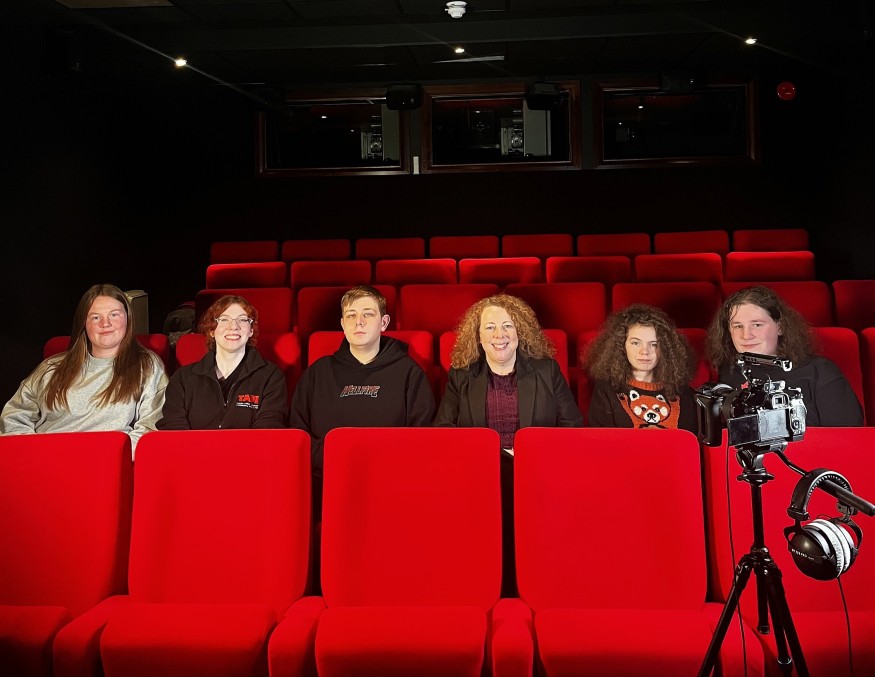
The achievement comes through Supporting Shorts, an innovative filmmaking initiative led by Old Colwyn-based arts charity TAPE Community Music and Film.
The project aims to make the screen industries more inclusive by helping young people and underrepresented creatives develop their skills and bring their stories to the big screen.
Developed with support from the University of Leeds, Supporting Shorts was created in response to concerns from aspiring filmmakers who identified ongoing barriers to entering the industry, including the use of complex language and inaccessible processes.
As part of the project, screenwriting was selected as a practical area for change, leading to a collaboration with Final Draft and its Inclusivity Analysis tool. The partnership resulted in the creation of the Easy-Write Template, designed by diverse end users to make screenwriting more accessible and encourage wider participation. The template has now been incorporated into Final Draft 13 software.
The initiative has already produced two short films that are being screened before mainstream features in cinemas nationwide. “Race to the Start Line” is a comedy that follows a young man’s journey to a mountain bike race, while “The Return of James Vincent” is a mystery horror story set in a hotel.
Gill German has supported the project since attending its launch, where she met cast and crew members and saw first-hand the opportunities being created for young people and aspiring creatives across North Wales.
The MP has also accompanied the team to the British Film Institute’s headquarters in London, where they showcased their work to industry professionals. Members of the TAPE team and participating filmmakers have since gone on to collaborate with the BFI’s Inclusion Team, while Gill has also contributed to filming for a documentary charting the project’s development.
Speaking about the initiative, Gill said: “I was so proud to welcome the team to London and to see their work being recognised at such an influential level within the industry. TAPE is doing extraordinary work to break down barriers in filmmaking, and it’s inspiring to see them leading the way in making the industry more inclusive, accessible, and representative.
“Their commitment to amplifying underrepresented voices is not only transforming lives locally, but setting an example nationally for how the sector can and should evolve.”
She added: “It is really important we look at developing skills for everybody, particularly those with abundant creativity who have not had the opportunity to tap into that potential.”
Gill also highlighted government-backed employment initiatives, including the Right to Try Guarantee, Connect to Work and dedicated work coaches, which aim to help more people access meaningful careers.
“TAPE provides the perfect spaces and support for this,” she said. “I cannot wait to see their hard work pay off in these new films, where these brilliant stories will be platformed and heard.
“Talent exists in every community, and organisations like TAPE show what is possible when we invest in people and remove the barriers that stop them from participating. Everyone should feel a creative career is something they can aspire to.”
Founded in Old Colwyn in 2008, TAPE has supported more than 20,000 people across Wales and the wider UK through opportunities in filmmaking, audio production, virtual reality, design, podcasting, creative writing and other creative disciplines.
Its work focuses on inclusion, offering tailored training, flexible entry routes and long-term support to help people who have traditionally faced barriers to participation in the creative industries.
Steve Swindon, Founder and Creative Director of TAPE, said: “Genuine co-creation can inform and inspire change in the most meaningful of ways for individuals and communities.
“This work requires proper funding in order for the screen industries to make the changes it is sighted on. Having Gill’s support for the Supporting Shorts initiative has been hugely impactful in amplifying the project and the voices of those involved, for whom lasting change is most needed.”
The success of Supporting Shorts is now being viewed as a model for how inclusive practices can help diversify the UK’s creative industries while providing new opportunities for talented individuals from communities across North Wales.