February 26, 2026 - 1257 views
An exclusion zone at a protected stretch of coastline on Anglesey will remain in place throughout the 2026 breeding season after what conservation bodies say are strong signs of wildlife recovery.
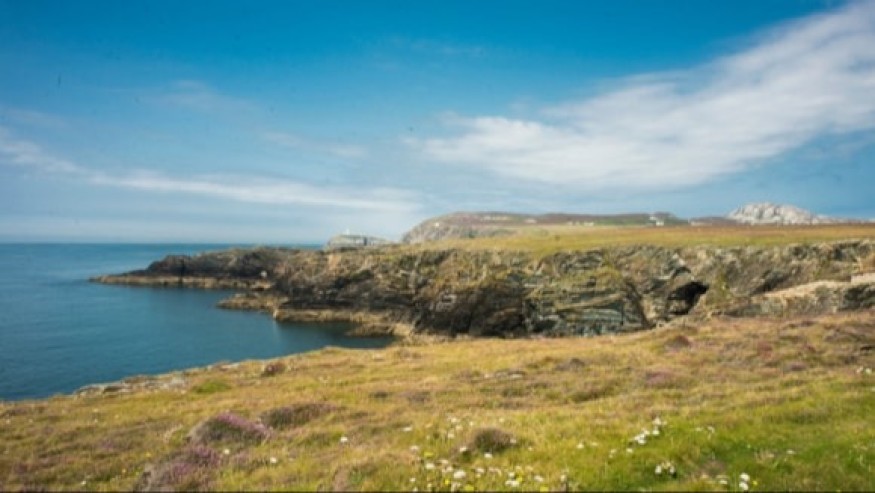
Natural Resources Wales (NRW) has confirmed that the 1.8-mile restriction within The Range, part of the Glannau Ynys Gybi Site of Special Scientific Interest on Holy Island, will run from 2 March until 31 August 2026.
The area forms part of the South Stack Cliffs RSPB Reserve and sits on land leased to RSPB Cymru by the Isle of Anglesey County Council.
The decision follows monitoring during 2025 which showed notable increases in wildlife activity after access to cliff slopes and shoreline below the Wales Coast Path was restricted.
Gull numbers in the area rose from 14 to more than 40 — the highest recorded level — while seal pups were observed on a beach where they had not previously been recorded. Oystercatchers returned to a cliff area where they had not been seen for more than a decade. There were also encouraging signs for chough, a rare and protected member of the crow family closely associated with coastal cliffs in North Wales. Birds were recorded holding a territory that may develop into a breeding site, something conservationists say can take several years to establish. Cliff-top vegetation also showed signs of recovery, with reduced trampling allowing fragile plants to regenerate.
The exclusion applies to open access land from the Wales Coast Path down to the sea under the Countryside and Rights of Way Act. The coastal path itself remains fully open, but access to the land below the path is not permitted without the landowner’s consent.
NRW said the 2025 measures reduced the impact of activities not permitted by the landowner which had caused disturbance to wildlife and damage to the site’s geology. The organisation said keeping the exclusion in place would allow further recovery and continued monitoring, while discussions continue with partners about long-term arrangements.
The cliffs around South Stack are internationally important for breeding seabirds and are part of a wider network of protected habitats across North Wales. Sites of Special Scientific Interest are designated to safeguard areas with significant wildlife or geological value, and public authorities have a legal duty to conserve and enhance them.
RSPB Cymru said the temporary closure had provided a “much-needed respite” for struggling wildlife and thanked visitors and activity providers for adhering to guidance. Anglesey Council also reiterated its support for measures that protect rare flora and fauna while working with the outdoor sector to explore sustainable access solutions.
Monitoring will continue throughout 2026, supported by updated signage and sensitivity mapping aimed at helping visitors understand which areas must be avoided during the breeding season.
Conservation bodies say the aim is to strike a long-term balance between protecting one of Anglesey’s most iconic coastal landscapes and ensuring the public can continue to enjoy it responsibly.