November 24, 2026 - 217 views
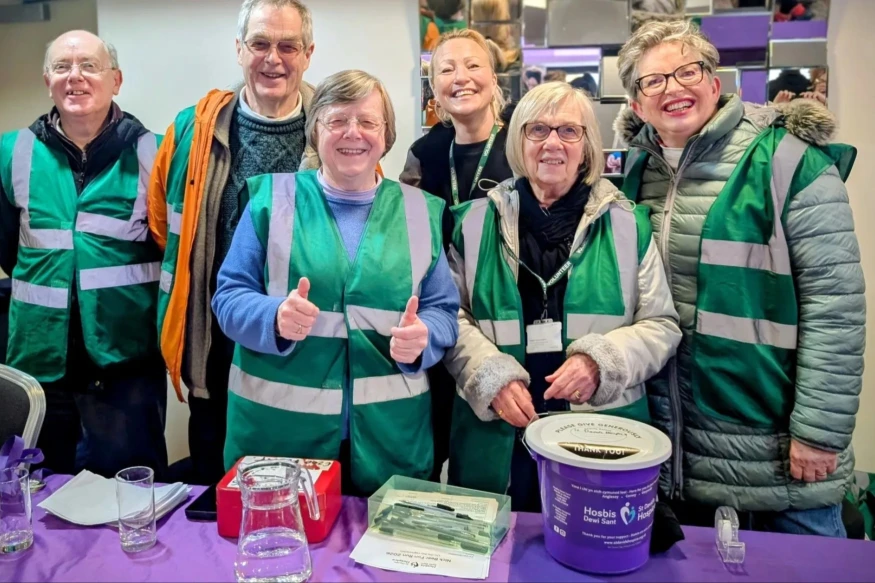
A new initiative is opening the door to more people who want to make a difference to patients and families receiving care and support at St David’s Hospice.
The Cariad Crew project, developed by Community Voluntary Support Conwy (CVSC) and the hospice, has spent the past six months looking at how volunteering can become more accessible and offer a wider range of opportunities within health and palliative care.
The project has been designed to challenge the idea that volunteering in a hospice is only for people with medical experience or those able to take on traditional support roles. Instead, it aims to create opportunities for people with different skills, interests and abilities to make a meaningful contribution.
St David’s Hospice provides specialist care and support for adults living with life-limiting conditions across the local area, as well as supporting their families and those close to them. Its work includes inpatient care, community services and support for people who need help managing the physical and emotional challenges of serious illness.
Volunteers play an important part in helping the hospice provide that care, but the Cariad Crew project recognises that traditional volunteering arrangements can sometimes create barriers for people who would like to get involved.
Funded by the Wales Council for Voluntary Action, the project has worked with existing volunteers, staff, community organisations and people interested in volunteering to identify where additional support is needed and develop roles that complement the work of hospice staff.
As part of that work, 24 members of the hospice team have received Social Model of Disability training, helping them better understand accessibility and the barriers that can prevent people from taking part.
The project has also been developing social stories for St David’s Hospice and Hafan Dewi Sant, giving people a clearer idea of what to expect when visiting or volunteering. The aim is to make the environment more welcoming and less daunting, particularly for those who may need additional reassurance or support.
The first opportunities are now available, including roles as an inpatient receptionist, counselling support volunteer, British Sign Language communication support volunteer, community sighted guide and community events volunteer.
Jasmine Pilling, Volunteer Development Manager, said the project had given the hospice an opportunity to rethink how volunteering could work within health and palliative care.
She said the team had spent six months listening to volunteers, potential volunteers, staff and other organisations before developing new roles and considering how to make them more accessible.
Now that the groundwork has been completed, the hospice is encouraging people who may never have considered volunteering in a palliative care setting to find out more.
The message from the Cariad Crew team is that people do not need to be healthcare professionals to make a difference. With training and support available, there are different ways to contribute, whether through welcoming visitors, helping with communication, supporting community activities or offering practical assistance.
The project is also intended to show how a more inclusive approach to volunteering can benefit both the people giving their time and the patients, families and staff who are supported by the hospice.