March 15, 2026 - 1270 views
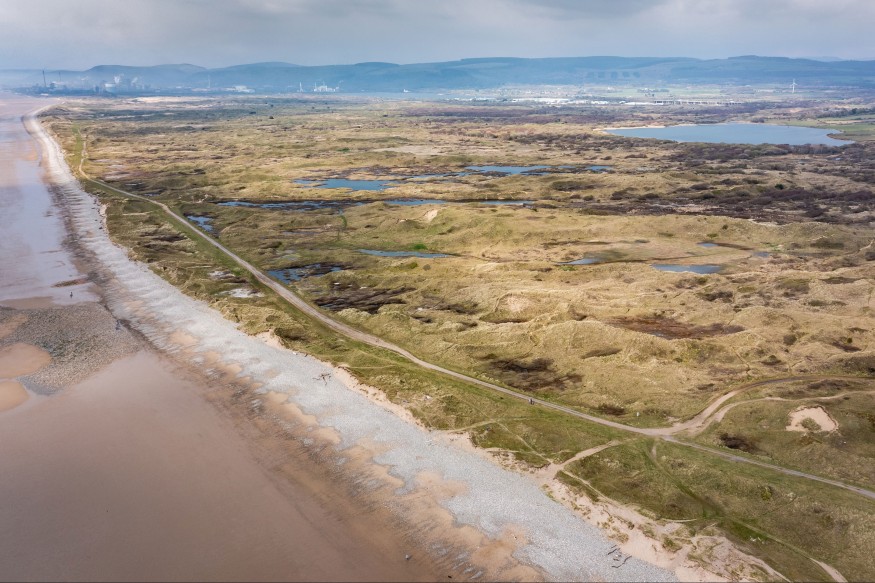
Natural coastal habitats such as sand dunes, saltmarsh and shingle beaches are providing communities in Wales with an estimated £36 million a year in protection from flooding, according to a new nationwide study.
The research, carried out by Natural Resources Wales in partnership with marine consultants ABPmer and economic specialists eftec, examined how natural features along the Welsh coastline help reduce flood risks by absorbing wave energy and lowering tidal surges.
The Wales-wide assessment looked at the characteristics of different coastal habitats and how effective they are at buffering wave energy, reducing wave height and limiting tidal flooding before it reaches homes, farmland and infrastructure.
Researchers estimate these natural defences provide flood-risk benefits worth around £36 million annually, based on the value of damage avoided to property, agricultural land and transport networks such as roads and railways.
Several areas were identified as particularly benefiting from these natural buffers, including Port Talbot, Newport, Neath, Swansea and Carmarthen Bay, as well as parts of the North Wales coastline.
However, the report warns that many of these habitats are already under pressure and must be restored and protected if they are to continue shielding coastal communities from the growing threat of flooding.
The recently published State of Natural Resources Report found that a significant number of coastal margin habitats in Wales are currently in poor condition, with losses caused by development, fragmentation and the increasing impacts of climate change and rising sea levels.
It is estimated that around 30 per cent of Wales’s original sand dune area has been lost since 1900, while up to a quarter of saltmarsh within Welsh marine protected areas could disappear by 2155 if current trends continue.
Nicola Rimington, Lead Advisor on Marine and Coastal Physical Processes at Natural Resources Wales, said many communities currently rely on hard-engineered coastal defences but face the prospect of flood risk increasing significantly in the decades ahead.
“As we face the growing challenges of climate change, we need to broaden our approach—working with nature to build greater long-term resilience,” she said.
“This report highlights the essential role our coastal habitats play in protecting communities and reinforces why restoring and safeguarding them must be a priority.”
She added that the next step will be to identify specific locations where habitat restoration and nature-based solutions could make the greatest difference in reducing flood risk and strengthening the resilience of coastal areas.
Kathryn Robbins, Principal Environmental Consultant at ABPmer, said the study highlights the scale of protection provided by natural habitats.
“Coastal habitats in Wales have experienced declines in extent and condition over the last few decades,” she said.
“This national-scale study provides an initial insight into the significant level of protection and economic benefit these habitats provide towards protecting communities from coastal flooding.
“The report highlights the importance of protecting and restoring coastal habitats and supports the greater use of nature-based solutions in managing flood risk and coastal change.”
The findings follow recent condition assessments by Natural Resources Wales of Wales’s network of Marine Protected Areas, which identified the need for urgent action to safeguard marine habitats, biodiversity and water quality.